High Jump Mats: Essential for Safety and Performance
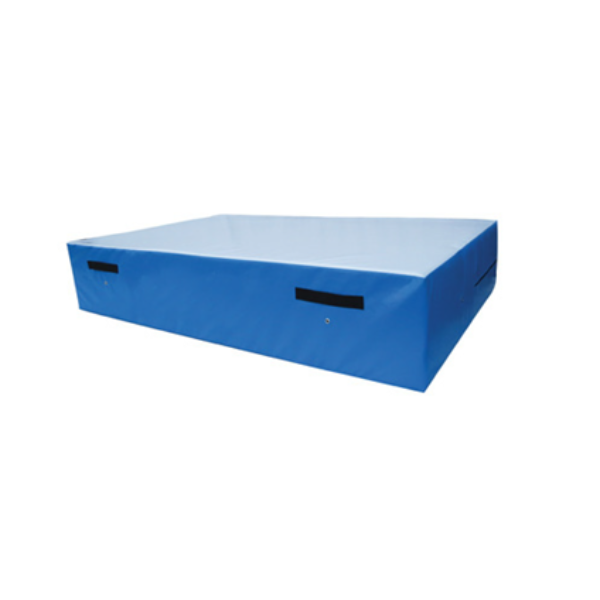
High jump mats play a crucial role in protecting athletes as they land from great heights. These mats provide a cushioned surface that absorbs impact, significantly reducing the risk of injury. Without proper landing protection, the force exerted on an athlete’s body could lead to severe injuries, making high jump mats an essential part of training and competition.
Constructed from high-density foam, these mats are engineered to withstand repeated landings without losing their shape or shock-absorbing properties. This durability ensures that athletes can train consistently without worrying about mat degradation. Olympic-standard mats exceed 50 cm in thickness, offering superior protection at all levels of competition.
Beyond safety, high jump mats contribute to an athlete’s confidence. A secure and reliable landing area allows jumpers to focus entirely on technique rather than worrying about potential injuries. This confidence enables them to push their limits, attempting higher jumps and refining their skills.
The evolution of high jump mats mirrors advancements in athletic safety. Early versions were far less effective, often consisting of sand or sawdust pits. As the sport progressed, foam and air-filled mats became standard, drastically improving safety and performance.
Modern mats come with weather-resistant covers, ensuring durability in outdoor environments. Some advanced models also include modular designs, allowing sections to be replaced instead of purchasing entirely new mats.
By using high-quality mats, athletes not only train with confidence but also protect their long-term health. Whether at the beginner or elite level, having the right landing surface is critical to success in high jump events.