
The Benefits of Agility Training Across Different Sports
Why using agility training equipment in your fitness or sport regime? Athletes often focus on strength, endurance, and technical skills. However, agility is one of the most important components of sports performance, his method of training training helps athletes move efficiently, react quickly, maintain balance, and change direction with speed and control. As a result, athletes can improve performance while reducing the risk of injury.
What Is Agility Training?
This form of training develops an athlete’s ability to accelerate, decelerate, change direction, and react to external stimuli, it effectively combines speed, coordination, balance, footwork, and reaction time.
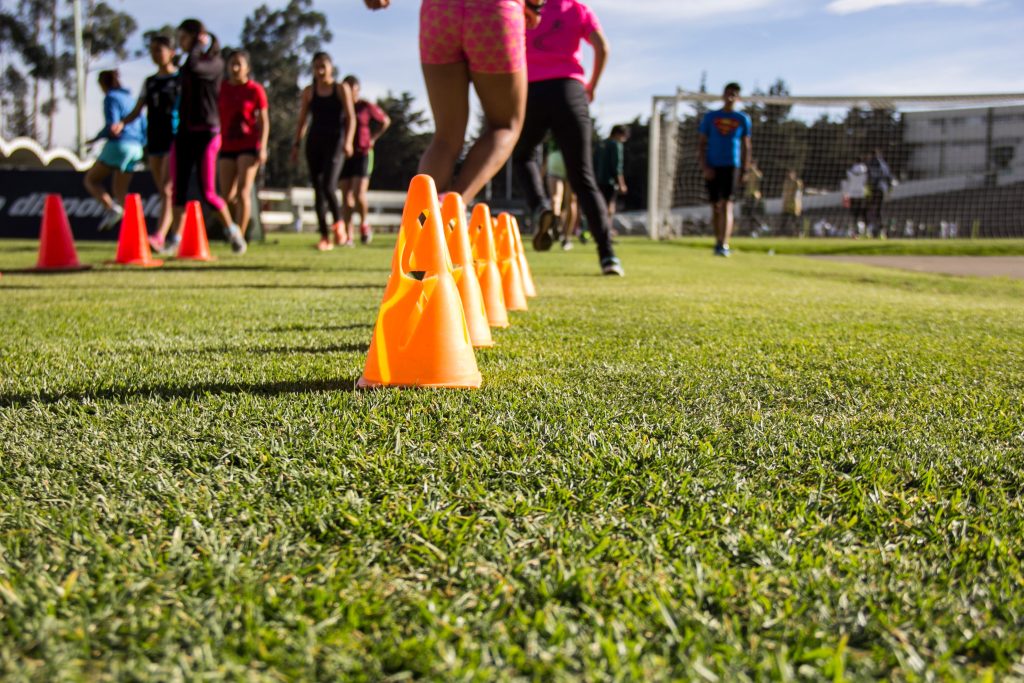
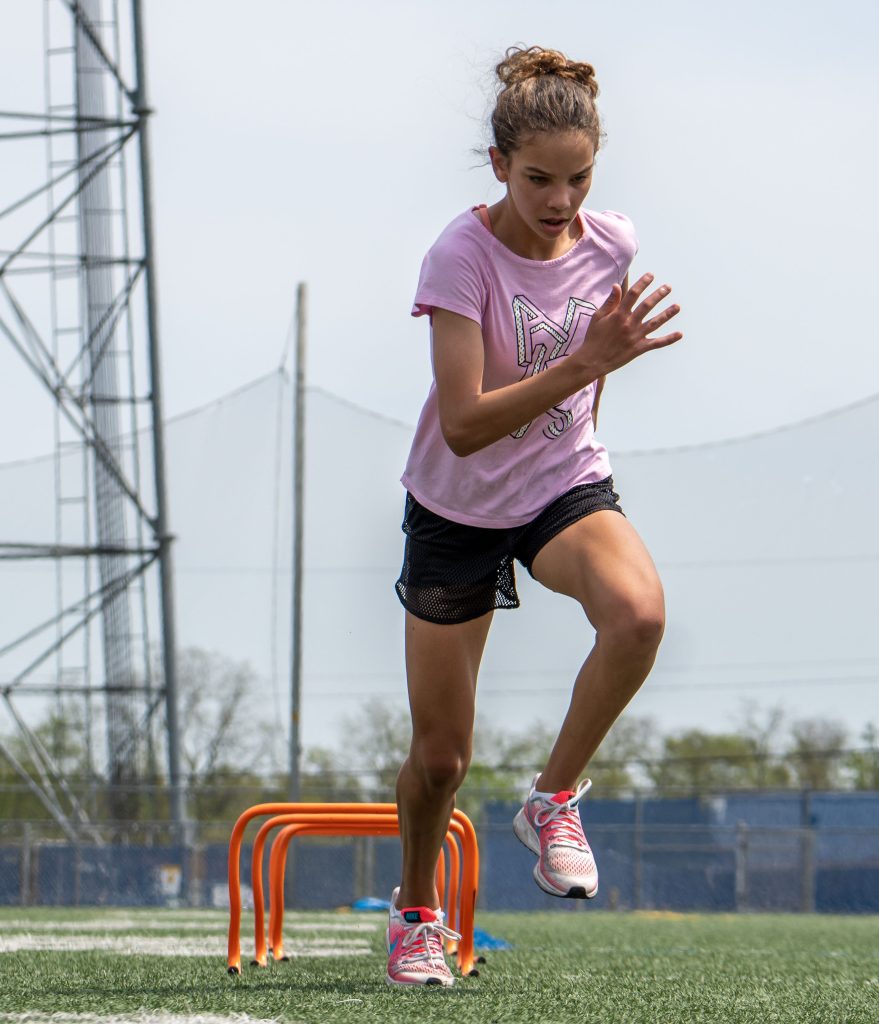
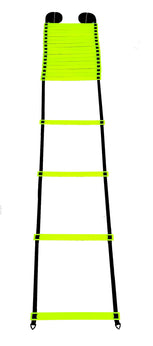
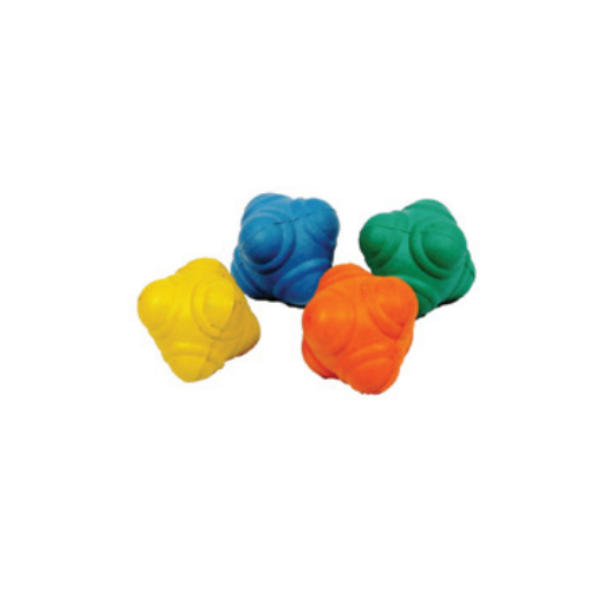
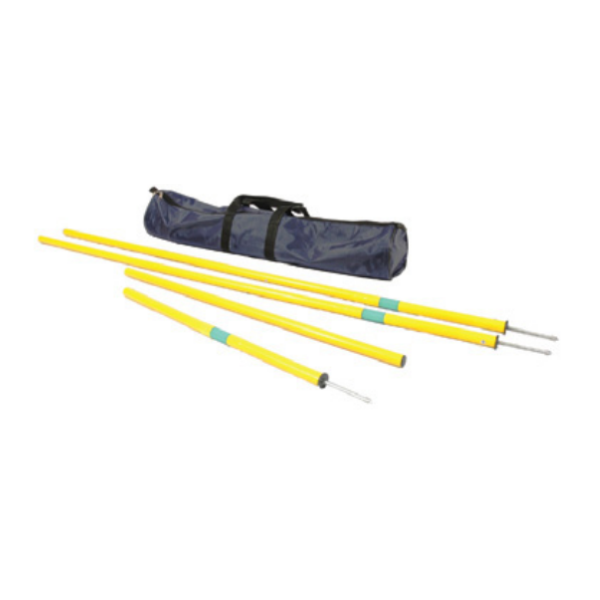
Coaches commonly use equipment such as agility ladders, speed hurdles, marker cones, slalom poles, and reaction balls to create challenging and engaging training sessions.

Benefits of Agility Training
Improved Speed and Acceleration
Agility drills teach athletes to move efficiently and generate power quickly. Consequently, athletes can accelerate faster and reach top speed sooner during competition.
Better Balance and Coordination
Many sports require precise body control and agility exercises improve balance, coordination, and body awareness, allowing athletes to perform movements more effectively.
Faster Reaction Times
Reaction-based drills train athletes to process information and respond quickly and this skill is essential in competitive environments where split-second decisions often determine outcomes.
Reduced Risk of Injury
Agility training strengthens stabilising muscles and improves movement mechanics, therefore, athletes are better prepared to handle sudden changes in direction and unexpected movements.
Agility Training for Rugby
Rugby players frequently sprint, sidestep, tackle, and change direction. Agility training improves evasive running, defensive positioning, acceleration, and overall athletic performance. Cones, agility ladders, and speed hurdles are particularly useful for rugby conditioning programmes.
Agility Training for Boxing and MMA
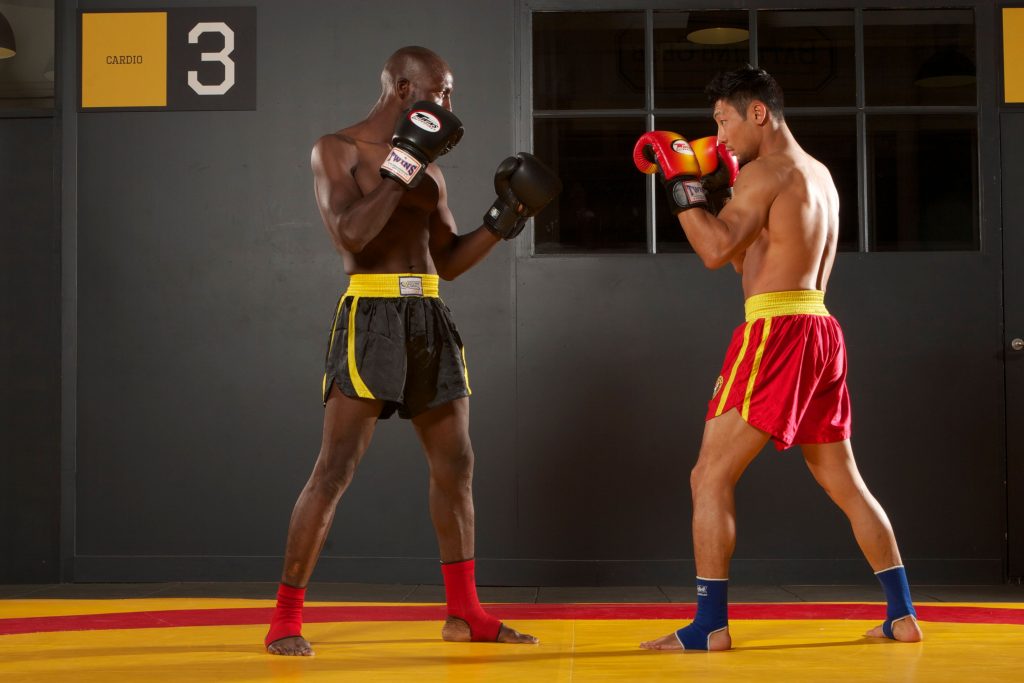
Footwork is fundamental to combat sports, boxers and MMA athletes use agility training to improve movement, balance, ring control, and reaction speed. Agility ladders, reaction balls, and cone drills help athletes develop quicker feet and sharper reactions.
Agility Training for Soccer
Soccer players constantly accelerate, stop, pivot, and change direction, doing agility exercises improve ball control, movement off the ball, defensive positioning, and overall match fitness.
Agility Training for Touch Rugby
Touch rugby relies heavily on speed and evasion and doing drills focused on agility helps players create space, avoid defenders, and maintain high performance throughout a match.
Agility for Functional Fitness and CrossFit
Agility exercise complements strength and conditioning programmes by improving movement quality and athleticis and Many coaches incorporate hurdles, ladders, cones, and reaction drills into warm-ups, conditioning circuits, and functional fitness sessions.
Equipment Commonly Used for Agility Training
A well-rounded agility programme often includes:
- Agility ladders
- Speed hurdles
- Marker cones
- Slalom poles
- Reaction balls
- Training bibs
- Weighted sandbags
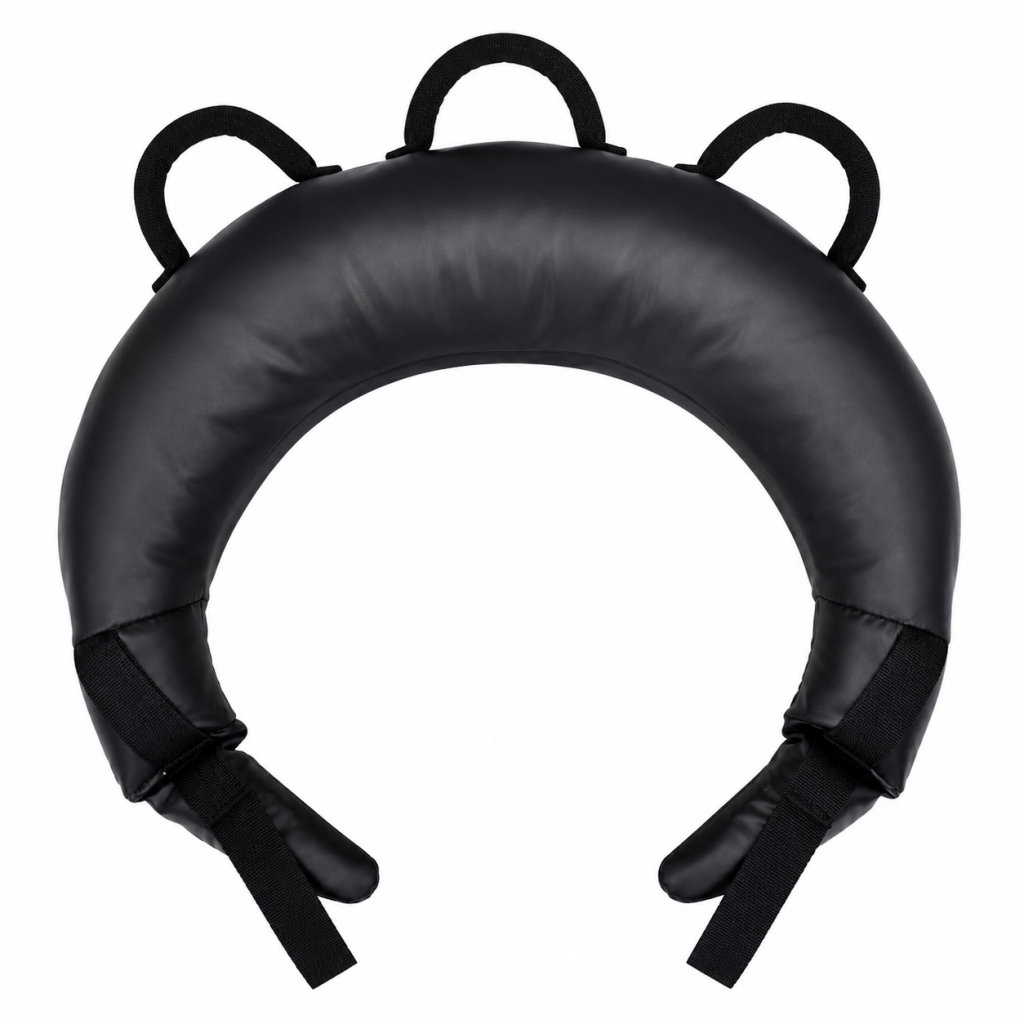
- Bulgarian bags
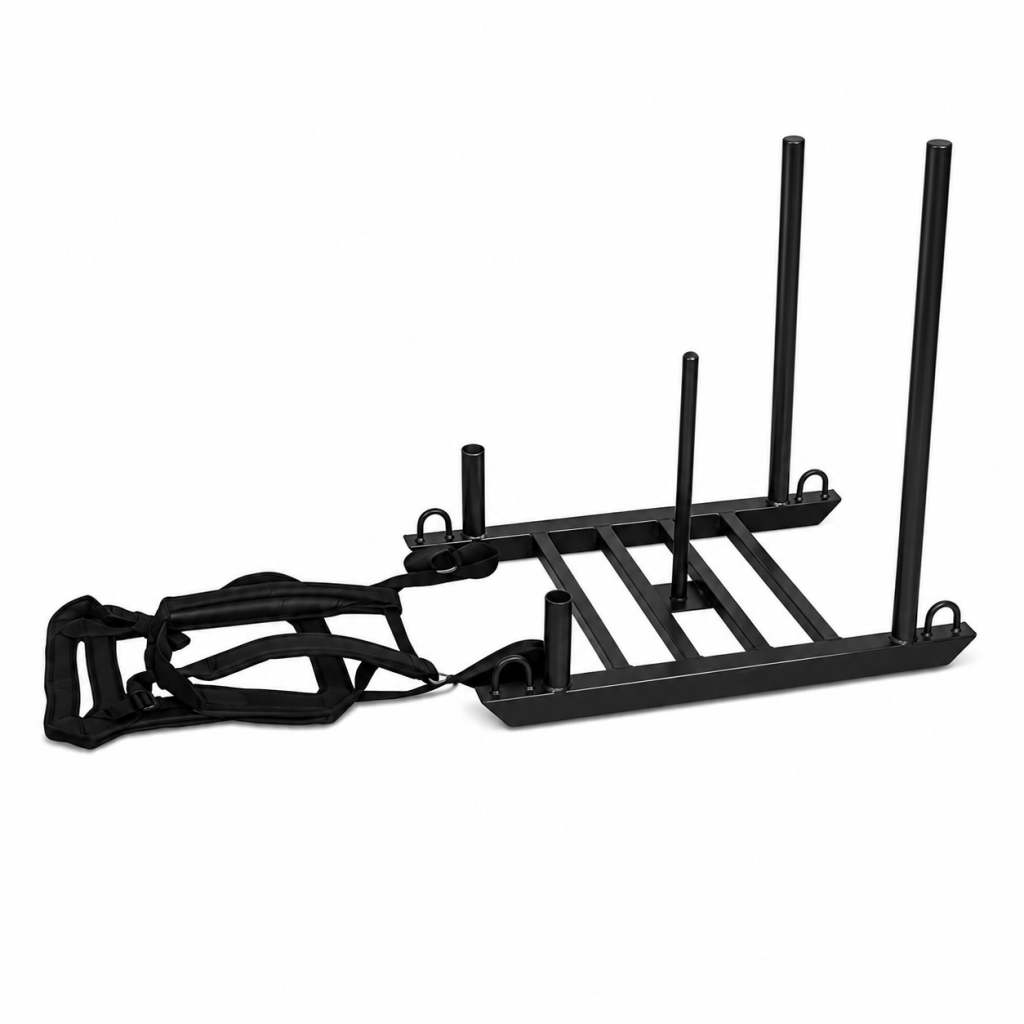
- Conditioning sleds
Each piece of equipment challenges athletes differently and can be adapted for various sports and fitness levels.
Final Thoughts
Agility training is not just for elite athletes. Schools, clubs, gyms, and recreational athletes can all benefit from improved speed, coordination, balance, and reaction time. By incorporating agility-focused exercises into regular training programmes, athletes can enhance performance across a wide range of sports while building a strong foundation for long-term athletic development.
To see what products we have to offer visit our Agility Equipment and Exercise Equipment pages
Visit our Facebook or Instagram for all our latest news and specials
Whats App us on 061 787 1431 or you send us an email to info@intrepidtraders.co.za